Unpacking: The Podcast
What happens when a pain researcher teams up with someone who’s lived with chronic pain for decades?
In this bonus conversation, meet the voices behind Unpacking Pain. Dr. Megan Steele, a physical therapist and pain science researcher, explains why evidence-based guidance is still hard to find and what the data actually says. Holly Osborne shares the lived experience side - what helped, what didn’t, and how to keep going when progress stalls. Together, they lay out why they started the show and how they hope to serve you.
Listen to learn:
- How research and real life fit together to make sense of persistent pain
- What you can expect from future episodes: clear explanations, practical tools, and steady encouragement
- Simple ways to become a better observer of your pain and talk about it with your care team and your circle
- How to plug into a community that understands the invisible parts of this journey
Transcript
I don't think I could have done this podcast a year ago. I wasn't ready.
Intro:Welcome to Unpacking Pain, a podcast dedicated to understanding the complexities of chronic pain, what causes it, how it affects our lives and what we can do about it.
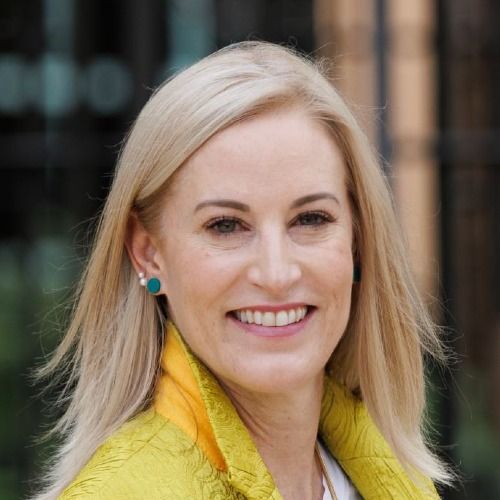
Join doctor of Physical Therapy and pain science researcher, Dr. Megan Steele and me, Holly Osborne, a chronic pain scene sufferer, as together we explore the biological, psychological and social aspects of chronic pain and create community and understanding in the process.
Megan: e been in a PhD program since: cing physical therapist since:And we kept talking about how much misinformation there is online about pain and these quote unquote pain specialists that are all over the place.
And everyone agreed that one of us needed to get online to share evidence based information that was fact based, that was relevant, that was helpful for both clinicians and people suffering from chronic pain. And then everyone also agreed that they did not want to do it.
And so ultimately I did it and I started my Pain science Prof. Instagram and started sharing more about the evidence behind persistent pain. And that is where I met Holly.
Holly:Yeah, this was really kind of a kismet, meant to be fate, whatever you want to call it.
Because as I was considering either writing a book or kind of pumping up my Instagram presence or whatever it was, I didn't know what tool I wanted to use or what, what channel or vehicle was appropriate. But I know that I was felt called upon.
I felt really compelled from deep inside to start sharing the stories of living life with chronic pain and not just to stay in that place of, you know, let's just discuss all the difficulty, but really to shine a light on the things that have helped me thrive in spite of the pain. Tools and support and methodologies and even some alternative therapies that I've dipped into that have made a huge difference in my life.
When I was at my lowest in my 26 year pain journey, I really needed something like this.
There wasn't really anything out there that I could find where I could hear clinical information wrapped up in the empathy of having you Know someone who's walked in my shoes for a long pain journey. And it was my hope to kind of fill that gap. And I didn't really know how I was going to do it.
And when I stumbled upon Dr. Megan's pain science Prof. Instagram, I just felt an instant connection with her. I thought, this is kind of amazing that here's the scientist, this woman who is studying literally all the experiences that I'm having.
The, the effect of chronic pain on our moods, our psychology, how our social standing in life or our social circumstances, be that our family, our zip code, what we eat, any of that, you know, how, how that actually is affecting us and biological aspects of it, like physiological things like, why is my pain out of control some days and non existent other days? What makes it spike?
So these were all these topics that I was wanting to discuss from the perspective of, hey, everyone out there who's suffering from chronic pain, I see you.
What you're going through is, is not in your mind if this valid and if you're having trouble feeling seen and understood by the people around you, because frankly, chronic pain is often kind of an invisible thing that you live with. I wanted you to have something to tap into.
But the missing link for me was the validation and the incredible education that comes with having a partner like Dr. Megan who says, this is what the research is telling me. This is what we're learning from these studies.
I think it's really critical that we become students of our pain so that we can kind of take some of this power back. And like Dr. Megan likes to say, knowledge is power. So, you know, I did it the old fashioned way.
I slid right into her DMs the old fashioned way, said, yeah, what up, buttercup? But we started talking and, and it just seemed like, you know, we were both on the same path.
We just really wanted to be of service to people and be helpful. And so here you have it. We're together now. We're kind of like the yin yang of chronic pain. Starsky and Hutch. Exactly. The golden girls.
Meaning we're, we're recruiting others. You might want to join us. Exactly. So that's a little bit about how we met.
And what I think is super interesting about Dr. Megan, or my perspective is that she is not only researching pain and so she's bringing that side science, which feels so validating.
Quite honestly, it's, it's so important to kind of hear that when you've been living with pain for so long and you start to wonder why I've tried so many things and it's not working. Is it just me? Am I the problem?
So hearing what Dr. Megan has to say from a science perspective is so cool because not only are you learning and you're armed with knowledge now, but you feel, you're going to feel seen. At least that's, that's the effect that it has on me when she and I are talking about.
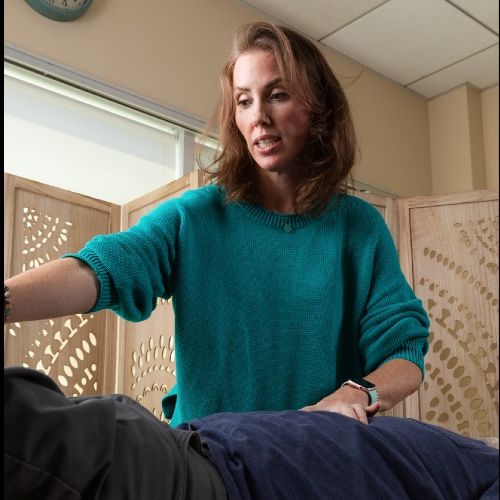
Um, but in addition to being a pain researcher, Dr. Megan is also a hands on doctor of physical therapy.
So she is physically treating people who are coming into her practice and oftentimes are there because they've run out of lots of other options and they're like, I've hit a wall. Something has to happen differently here. And so she's not only this brilliant researcher, but she's got her hands on people. She can't.
She's working with people directly. So, you know, just being able to kind of bring our two stories together and sort of riff on each other has been really rewarding.
And we're glad that you guys are here for it.
Megan:Yeah, absolutely. And I think I will never be someone that doesn't have a footprint in a clinic, even if it's not my clinic.
I love working with people, I love talking to people, I love meeting people, I love hearing their stories and I love being able to help them. And I thought early in my career I wanted to teach. And so I started teaching. About four years into being a physical therapist.
There was a TA position that opened at Mount St. Mary's where I graduated from. And I started helping out with the orthopedic pathology course in the first year of physical therapy school.
And then I started getting to help with the pain science course. And I've since taken over those courses, so those are mine. I teach doctor of Physical therapy students in their first year and in their third year.
And that felt like, okay, I can magnify my impact here. I could teach people one on one, I could treat people one on one.
But if I can train the physical therapists of the future, you know, I have 35 kids in my class every year. I call them kids. They're like 26 year olds, but, you know. Yeah. And so then they take this knowledge. Right.
And every year in the pain science class, you get a couple that are really interested that are going to pursue, you know, more knowledge and learning and understanding of this. And just like, you know, some of them will go towards pediatrics, some of them will go towards sports, and, you know, there's room for everyone.
But I thought well, okay, if I can get some of this in the literature, then all of the physical therapy schools across the country will teach this. And it, it has started not because of me, obviously, but, you know, pain science is going to be on their board exams.
s point, actually in the Lord:And the majority of physical therapy schools still, still, not all unfortunately are teaching this coursework. In part, not all of them still unfortunately are. And on average, we still have less pain science knowledge and training than other countries.
So places like the Netherlands, Denmark, Canada, the uk, they're getting more training. The physios there are getting more training in pain than we are currently in the US on average.
There are some schools that are, that are doing similar amounts. But I get nine hours with my students in their third year.
And so I have them do a lot of work outside of class just so that I call them the physical therapists of the future. You know, the profession is always changing and always shifting.
And really by having an understanding that it's not just about the biology for the percentage of people that will shift into chronic pain, and right now that Percentage is about 30% of people with an acute injury will transition to having chronic pain. We need a different type of physical therapist for these people.
We need a different type of treatment because the things that work for people in acute pain can sometimes make persistent pain worse.
Holly:You know, that is so fascinating, first of all to hear that we are behind in the United States here on that. And it just makes it all the more important that we're putting this out there.
I, you know, I hope that we're filling in some questions, answering some questions for people, and at the very least helping you get a sense of community and belonging. Again, like I said, living with chronic pain, that aspect of our lives can sometimes feel quite lonely.
You know, even as much sort of sympathy as you might get from a spouse, spouse or a best friend or whomever, it gets to the point.
All of us who've been on a pain journey for more than a few years know that there comes a point where people stop asking, you know, and who can blame them? And so you, you can kind of end up on your own a little bit in this. And Dr. Megan and I are here to fix that. So thank you for tuning in.
We're really thrilled to have you. We're building a community. You're an important part of that. And yeah, we'll just we'll see you. We'll see you in the next episodes.
Megan:We're so glad you're here. Thanks for tuning in.
Outro:Thank you so much for listening to this episode. We appreciate your tuning in and being part of the Unpacking Pain Experience. If this episode helped you, please share it with others.
Leave us a review or let us know directly.
You can get in touch at unpackingpain@gmail.com and we'd love to hear your thoughts or questions, your stories, even topics that you'd like us to cover in a future episode. Together, we're fostering community as we shed light on the realities of living with chronic pain and discover new ways forward.